
Many traders trades with the loss limit while executing the trade. However still some traders hold the losing trade, until it reverse. Meanwhile when the loss increases they tell themselves if they book the loss here then everything will go in waste. As a result this behaviour is considered as the sunk cost fallacy. However this is one of the most common and major psychological problems which impacts badly on the trading performance and risk management.
Traders fall into this trap when they allow past investments to influence their decisions instead of evaluating current market conditions objectively.
Developing the awareness about this term may assist you in making the better trading decision. Which eventually impacts the trading performance in a good way.
What Is the Sunk Cost Fallacy?
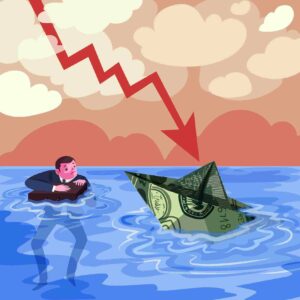
The sunk cost fallacy is a cognitive bias which forces the trader to stay in the losing trade because you have invested significant resources into it. Rather than analyzing and making the decision on the basis of the current price action. A trader hold the trade out of the hope that it will move to the breakeven.
Several Key Reasons Of Sunk Cost Fallacy
The Hope Trade: Traders believe that it’s only the loss on the screen not the loss on my p&l until i book the trade. Meanwhile traders avoid looking at the market data which suggests the more decline in future.
Throwing Good Money After Bad: This includes the average down the losing position, until it reverse to the tp or at least breakeven.
Tying Up Capital: Keeping all the funds busy in the losing trade prevents you from investing the capital in the profitable trade.
How the Sunk Cost Fallacy Appears in Trading

In trading sunk cost fallacy is putting the more capital behind the losing trades. This happens when a trader start believing they are emotionally invested, financially invested etc. However it prevents you from analyzing the current scenario’s of the market. Which eventually decides the future of the trade. Meanwhile in the end it double down the losses and in the worse scenario it wipes out the whole capital.
How the Fallacy Manifests in Trading
I’ll just wait for it to break even: Traders often refuses to accept the losing trade, hoping the market will reverse. During this time period they want the price to hit back at least at the break even stage. So that they can the book the trade at no loss and no profit.
Averaging Down Without A Plan: This involves using the more capital in losing trade. So that the entry price can come down to the lower and they can cut the trade at breakeven.
Over-Attachment To Research: When a trader spent countless minutes or hour’s in analyzing the market and charts. They believe that if they book the losing trade the their preparation will go in the waste.
The Danger of the Sunk Cost Trap
Capital Constraint: When you put more capital after the one losing trade. Eventually it leads you to miss the higher profitable setups forming elsewhere in the markets.
Compounding losses: Rather than booking pre defined loss. Traders often end up wiping out the whole capital or massive drawdown in the trading account.
Why Traders Fall Into This Trap

Traders fall into this trap by influencing their decision based on the past experience. Meanwhile allowing the past experiences drives your current decision making impacts the trading performance isn’t a good way. By allowing the emotional weight of their past investment to influence their decisions, traders hold losing positions for too long in the hope of recovering their losses, often causing even greater damage to their accounts.
Why Traders Fall in the Sunk Cost Trap
Fear of Loss: The psychological pain of loss is muck more intense than the pain of joy. Traders stay in the losing positions just prevent themselves from bearing the pain of loss.
Ownership and Endowment Bias: Once a traders enters in the position, they find themselves attached to the trade. They start valuing the trade more than it’s actual value. Therefore the traders decides to stay in the losing trade until it reverse.
Unrealistic Optimism: When a trader put a significant amount of money behind the one trade. They often underestimate the risk of further downside and overestimate the probability of price recovery.
Why Past Investments Should Not Influence Current Decisions

One of major principles in trading is poor future decision can’t recover the past trading or investment losses. Because the time and money already spent after that. Making the decision on the basis past commitments without looking at the current aspects of the markets. It only leads to making the irrational decision and compounds the losses.
Why Past Investments Cloud Judgment
Unrecoverable Funds: Money invested behind the one trade is gone. It can’t be recovered. However it doesn’t matter if you stay in the losing position or not. Because your historic entry price won’t change the current market conditions.
Opportunity Cost: Continuing in the losing trade. It simply indicates that you are blocking the capital from deploying at the high probability setup.
Emotional Attachment: Traders become attached to their initial thesis which they developed during the pre market analysis. It becomes psychological difficult to accept the fact that the initial market bias was wrong.
How to Avoid the Sunk Cost Fallacy
In order to avoid avoiding the sunk cost fallacy in trading. You should ask yourself before engaging in any trade, does this aligns with trading rules criteria. If the answer say no then you should avoid engaging with that trade.
Ways Of Prevention From The Sunk Cost Fallacy
Predefine Your Exit Points: Always trade with pre defined entry and exit points. As a result it eliminates the emotional decision when the market moves against your direction.
Evaluate Future Outcomes, Not Past Costs: Accepting the fact that energy, time money spent on the losing trade is gone. Make your decision based on the current probability of the trade succeeding, not on the time, money, or effort you’ve already invested.
Use Trading Journal: Maintain a diary or notebook which records all your trade data from the entry price to exit price. Reviewing the trade helps you to recognize the patterns which leads to the bad trading performance.
Ending Words
The sunk cost fallacy leads the traders to hold on to the losing trades. Rather than evaluating the market objectively, they emotion wise, money wise and effort wise attach themselves to the trade. Successful trading requires to accept the fact that every loss or the win is the part of probability and game.
The market only rewards patience, calculated risk management and objective decision making.
Professional traders understand that grabbing future high probability opportunities is more necessary than justifying the past decisions.