
Well this topic isn’t not widely discussed among the trading but it is a topic of discussion. Because ultimately it reflects emotional awareness etc. However a trader should know when to keep ourself out of the market. Success in trading requires to know when to trade and when not. And this plays vital role between the pro and inexperienced traders. Meanwhile experienced traders know which markets conditions are tradeable and which market condition requires to stay out of the market. On the other hand beginner trader try to trade every market condition.
Why Many Traders Struggle to Stay Out of the Market
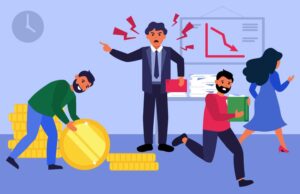
This problems occurs with beginner trader mostly. Because their thoughts drive their decisions and thoughts are emotionally driven. Meanwhile their thoughts involves fear of missing out(fomo), boredom, instant excitement and the others as well which are emotionally driven.
Being In The Trade: Trading triggers the excitement and instant dopamine release. Most of the beginner trader feels exciting while being in the trade, rather than sitting quietly in front of screen and waiting for the setups.
Missing Opportunities: Many trader thinks that the market has limited opportunities to earn, which made them trade every move of the market. But in reality the creates new setup every second and every minute.
Pain Of Regret: Someone is making profits whenever the market moves. So when a beginner see this, they feel the pain of regret that why i didn’t trade that move. These types of thought made them stay in the market until they blow up their capital.
Pain Of Being Wrong: However the trading includes the frequent losses and the one who chases the perfection. They can’t handle the pain of being wrong in the market. So instead of accepting the loss, they try to show their perfection in the market by taking the trade and hoping it to end it in the profits.
Not Every Market Condition Is Tradable
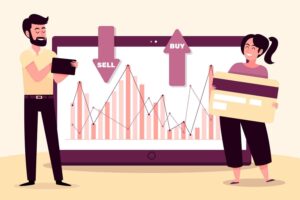
There is a time in the markets, when markets are very uncertain for the trading. Often ask for more risk or demands, trade with the less quantity. Sometimes are market are ranging between the latest low and latest high or remains in the consolidation. These types of markets aren’t favorable for the trading.
Highly Volatile Markets: When there is data release about the economy, war is going on in the any part of world. A government spoke person says something about economy.
Ranging & Consolidation: When the market doesn’t has enough liquidity to move in any direction. Most of time it happens when there is a bank holiday in the some parts of the world.
Involves High Risk: The markets creates 10$ candle in one minute or even more than that. When your trade needs only one candle to hit your tp or sl.
Pro traders knows that trading in unfavorable conditions often invites unnecessary losses.
If you want know more about the patience in trading then you can read my previous blog on Why Patience Is the biggest Edge In Trading
The Importance of Protecting Mental Capital

Well trading is not only about the protecting your financial capital, but it is about preserving your mental capital which involves trading psychology and discipline. Once the mental capital start getting hurt then ultimately it reflects in you trading account. Because bad mental capital leads to bad decision and bad decision lead to denting your trading capital.
Factors Damages Mental Capital
Chasing Trades: Taking trades based on fear, FOMO, or the desire to recover losses instead of waiting for clear trading opportunities.
Pain Of Loss: When you got stopped out from the any trade and you feel pain because of the loss. Now you start placing the trades to avoid that pain instead of accepting the loss.
Holding The Losing Trade: Holding the losing position because your capital is invested and your emotionally connected to the trade. And ignoring all the market signals of where is market heading towards.
Overanalyzing The Structure: When you fear of being wrong or feel fomo you start overanalyzing the structure and you start seeing setup when the setup isn’t there. It causes to miss valid setup and confirmation.
How To Protect Mental Capital
Stop Loss: Don’t rely on emotional levels or psychological levels. Always use a predetermined stop loss which aligned to your trading rules.
1-2% Rule: Never place a stop loss more than 1-2% of your trading capital. Because it’s a ideal stop loss of every pro traders use and it protects you from the mental stress.
Focus On The Process: Rather than analyzing your performance based on result, just try to follow the process instead. Because it’s the process which drives the good result.
Treat Trading Like Business: Rather than seeing trading like quick profits generate system. Treat it like a business, instead of taking emotional decisions. Approach it in a structured and disciplay way.
Quality Setup: Instead of trading every setup out of the fear, fomo and all. Learn to wait for the high probability setup of your strategy which has the more successful ratio.
How Emotional Trading Leads to Bad Decisions

Emotional decision occurs when greed and fomo take over structure analysis of the market. It avoids your strategy based analysis of the market and strategy based setup. It triggers your impulsiveness actions which causes you to avoid your trading rules completely.
Fear: When you are in a winning trade and the market drops to the some points for the pullback. But you are scared if this trade ends with the loss too, you exited the winning trade early thinking the market will reverse from here.
Greed: The greed often triggers you buy the assets at the peak price in the fomo of missing the move. It blindly forces you to open the multiple positions in the hope of massive accelerating the profits.
Holding the Trade In Hope: When a market is trading near you stop loss rather than stick to your original sl and keep trailing your sl in the hope of market will return from somewhere.
Exasperation: After a big loss, traders feel deep frustration and anger. This causes you to enter in a trade immediately without the analysis.
Ways To Overcome From Emotional Trading
Rules: Rules includes that your tp for the day, stop loss limit for the day and the position sizing depending on the market conditions.
Decrease Quantity: If the present lot sizing of your trade scares you then you must reduce the quantity.
Trading Record: This consists how many trades you take today, what was the emotions and mistakes behind the trade. Maintaining this record will helps you analyse the mistakes and finds you best trading hours and days for you to trade.
Respect The Sl: Don’t trail your stop loss when the market trades nearby to your sl. Learn to accept the loss as the essential part of your trading system.
The Connection Between Staying Out and Long-Term Consistency
Many beginner trader thinks that constant trading is the key to success in the trading but in reality when to step away from the charts, brings success in the trading career.
What brings long term success in trading?
Protect Capital: The best way to protect your capital is to step out of the market, when market is unfavorable to your trading conditions. Because market has endless opportunity to everyone if you have capital then you can grab the opportunity.
Control Emotions: When the market trades against you or isn’t giving you the entries or the desired results you want. Learn to control your emotions at that time, because the markets isn’t going to be like this forever. The market will always test you with their moves, breakout, breakdown’s and all. Those who survives this phase with patience and controlling the emotions, eventually make it.
Unavoidable Rules: No matter what markets are doing, you should stick to your trading rules. Because your rules is the only thing which saves you from all the market noises. You save your rules by patience and discipline and they will save you from the unnecessary losses.
Avoid Bad Loss: When you follow your trading rules and control your emotions, ultimately you avoid unnecessary risk. It comes in the bad loss category which doesn’t teaches you anything.
Conclusion
The problem with many traders isn’t about the strategy and all but it is with, know when to trade when to not. Because in the beginning of their trading career traders unaware about the different market conditions.
During the uncertain conditions of the markets, the best decision you make is stay away from the markets. And wait for the market to align with your trading conditions.
In the long run traders who are patient and disciplined are performs better than the anyone else in the market