
Many new novice traders thinks that rapid trading is the path to the successful trading. Meanwhile with this type approach they end up destroying their trading account very quickly. However the forcing the trade is part of the constant trading. Forcing trades covers the placing the trade outside the high winning setup criteria. As a result traders often addition the losses. However it impacts the overall trading performance, delays the success and often ignores the high quality setup.
Forcing the trades happens when a trader has lack of patience, discipline and react to every market noise and movements. Meanwhile forcing the trades shows greed and fomo in the trader. In trading “doing something” isn’t related to “doing something good or productive”. However this is one of dangerous things a trade can develop in the tehir trading habits.
Why Traders End Up Forcing Trades
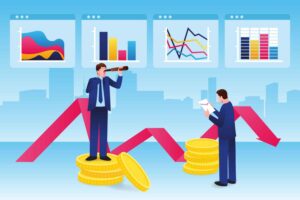
Trading often misunderstood as the act of constant action. But in real successful trading covers the art of waiting for the few high quality setup. Forcing the trades happens when traders believe that rapid trading brings profits. Meanwhile another reason of forcing the trades is boredom, revenge trading, urgency of making the profits, want overnight success etc.
Psychological & Behavioral Pitfalls
Action Behaviour: The human tendency to keep doing something in order to feel productive. However moving from doing something to waiting for the right and high probability opportunity feels like failure.
Lack Of Patience & Boredom: The markets remains in ranging over the long period. When the market moves between the certain high and the low. At this time market performs sideways movement and doesn’t give breakout in any direction. At this stage, the market truly tests patience and discipline. And most of the newcomer traders ends up blowing their trading account amid these types of markets.
Loss Recover Trading & Desperation: Just after a loss, the traders often jumps into the next trades with loss recovery mindset. They believe once they recover the loss or reach at the breakeven they will be done for the day. But in the instead of loss recovery, they increases their loss for the day.
The Illusion of Productivity
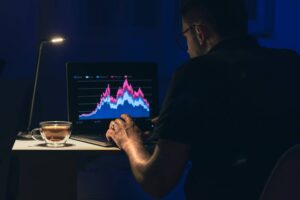
One of the major traps in trading is confusing activity with productivity in trading. It involves the continuation of watching the charts, over analyzing the markets, shifting the setup etc. Long hours of continue watching the charts may feels good but it causes emotional fatigue, overtrading and impulsive decision. The market rewards patience and discipline rather than long hours of staring at the screen. The more time spent on the charts, the more it degrades the performance.
The Traps of the Illusion
Forced Trades: Amid the slow the movements in markets, traders feel inactive during this times. This inactiveness forces them to take the trade, in order to feel productive.
Emotionally Drained: Reacting to the every candle impacts the mental energy. However it reduces the patience and emotional intelligence which needs at the time of placing the trade.
Too Much Analysis: Excess of everything is bad. Here in excessive analysis will make you see the invalid setup as the valid setup. This happens because of long hours spent searching for a setup that can guarantee profits.
What Forcing Trades Is Actually Costing You

Forced trades don’t just affect trading capital—they also influence overall decision-making quality in trading. If some of the forced trade gives you profits then the brain will consider this as a strategy to make quick money. However it isn’t sustainable in long run.
The financial and psychological impact of forcing trades includes:
The Professional Difference: Comfort in Nothingness

The pro traders consider trading as the exercise of executing the probabilities. Professional traders remains de-attached from the outcome of the trade, they believe that comfort in doing nothing in trading. They ignore the noise of revenge trading, impulsive decision making and all.
The Comfort In Doing Nothing
Staying Active Isn’t Productive: Novice trades often relate the productivity with constant watching the screen. Meanwhile they trade just to feel active, to avoid fomo etc.
Preserves Capital: Staying out of the markets when the market doesn’t favors your trading conditions. This quality not only protects the capital but it protects the discipline, psychology and improves emotional decision making.
The Predator Approach: The pro traders work like predator’s in the markets. Like how a predator wait for the right opportunity to hunt. That’s how traders wait for the market to approach to their level or setup.
How to Stop Forcing Trades

Forcing the trades is the sign of weak emotional intelligence and decision making. This is the main reason why traders engage with fomo trading, revenge trading, and such types of activities. The only way to prevent from this is to create a strict rule set, which needs to be followed in the every condition.
Strategies To Prevent Forced Trades
Establish Hard Limits and Rules: Setting the limit of taking the maximum trade in a day like 1,2,3. After the limit you will done for the day. Always view the checklist before the executing the trade. All the entry criteria, stop loss with in limit, entry confirmation etc. After the loss or the profit, always take a break and analyze the trade mistake if you have done and what the right things you did.
Final Words
Profitable trading doesn’t require profits every second or every minute. But it requires knowing when to act and when to avoid the act. However the actual cost of forcing the trades isn’t just losing the trade but losing the discipline, patience, psychology over the time.
One of the most hardest task in trading is waiting.
And One of the most profitable decision you can make in trading learn to do nothing when the markets isn’t favorable to the trading criteria.